Бойка

Spontaneously fermented wines from grapes we grow ourselves with nothing but respect for nature.

The old vineyard

Boyka started somewhere at the end of 2023, a tough year that bore very little fruit, when one old vineyard in the village of Katuntsi turned out to be a burden to Emil's family. The plan of the family was to lend it to the neighbor. Not that he is a bad guy, but this thought felt unbearable to us, Emil and Gabby.

Maybe because we're sentimental, and Emil had always imagined that one day he would be the one taking care of the vineyard. Or maybe because Gabby was already all in on natural wines and this was apparently a chance to prove a point. Our thoughts about the idea of taking care of a vineyard, 2.30 hours away from our home, started growing like a snowball. Or should we say – like a grape berry during the summer. And so, it started. And yes, it is a burden, but it also feels oddly satisfying.

One can say that this project came with its own name. Boyka is the name of the owner of the vineyard – Emil's grandmother. The name in Bulgarian means "somebody strong, ready to fight", but also giving the project a feminine name is our tribute to the Bulgarian woman, and to the mother Earth that bears the fruits we use to make wine.

In 2025, we bought another, larger vineyard on the other side of the same river, Pirinska Bistritsa. It felt like a natural next step to increase our vines, our wine production, and also try a new variety – the autochthonous Broad-leaved Melnik, which is at the same time the pride of the Struma valley region and largely neglected.

Fostering a healthy ecosystem

i.

It starts with the soil

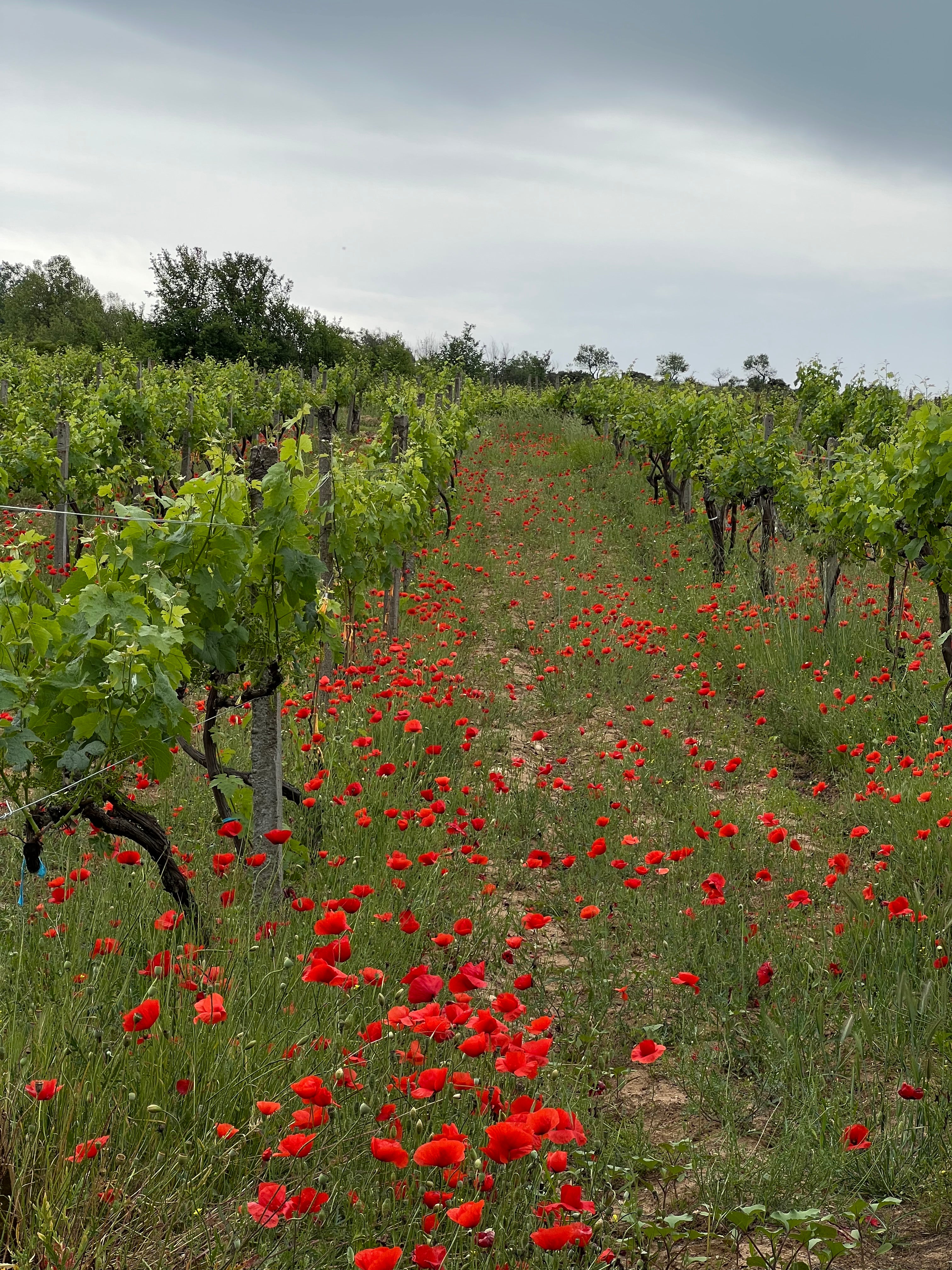
We don't use herbicides, and we don't deep plow. Between our rows of vines, we sow cover crops, but one can also find an abundance of poppies and other wild flowers and grasses. The green cover's stems lower soil temperature and provide the shade needed for microbial activity at the soil surface. The roots keep the soil structure good, decreasing erosion, easing the entrance of rainwater, and promoting life down beneath. Our primary focus going forward will be to increase the organic matter in the soil by putting lots of compost. Organic matter is the basis of all life in the soil and above it, and is even more important in our dry climate conditions, as it helps retain more water.

Pruning shears resting in cover crop between vines
In the vineyard among the vines
ii.

The vines

We use techniques of the so-called soft pruning to allow our old vines to live even longer and healthier. We don't spray insecticides; we rely on the insects' populations balancing out. We spray only copper, sulfur, and some herbal extracts to fight downy and powdery mildew. The amount of copper we spray is a fraction of what is allowed in organic viticulture. We rely a lot on managing the canopies, instead of just spraying, allowing for better ventilation and sunlight around berries. We intentionally shoot thin to decrease our crop. One common practice we don't do is to cut the apex of the vines; we let them grow freely and wildly. This way, the vines create natural shade for themselves, use less water, and grow deeper roots.

iii.

The grapes

We try to pick the grapes earlier than most people would. This way, we aim to preserve the freshness and fruit character of our wines, despite the hot, dry climate in which we grow our vines. The strange attraction towards jammy, tannic, overly oaky wines is something we think is worth fighting against.

Hand-picking ripe grape clusters in the vineyard at golden hour
iv.

Spontaneous fermentation, no additives

All our wines are spontaneously fermented, which means they are fermented just by the yeasts that live on the skins of the grapes. Not only do we not use any additives, but year after year, we try to do fewer and fewer mechanical interventions in the cellar. We have never filtered or fined, and never will. We decreased and will stop pour-overs. We started using partially whole clusters and plan to fully stop destemming at some point, when we feel we're ready for it.

A grid of bottle tops in the cellar with a hand-marked vintage tag

The two plots

Each vineyard has its own weather, its own slope, its own opinion. We farm them separately and bottle them separately, so that these differences are kept in the bottle.

Katuntsi
01

Katuntsi

0.2 ha · North slope · Calcareous soils · Planted in the 80s

The original plot, where the project began. A north-facing patch of old Merlot and Cabernet Franc. Always a week or two behind every other vine in the region. The wines come out with lifted acidity, despite the hot weather.

Vranya
02

Vranya

1.2 ha · South-east slope · Calcareous soils · Planted in the 80s

The larger plot across the river, bought in 2025. Old vines of Broad-leaved Melnik — the autochthonous pride of the Struma valley, and a variety we wanted to reinvent.

Class of 2025

We make wine in quantities measured in hundreds rather than thousands, and each vintage keeps with itself the unique year it was for both the vines and ourselves.

GG 2025
Rosé pet-nat · 750ml · 12%

GG 2025

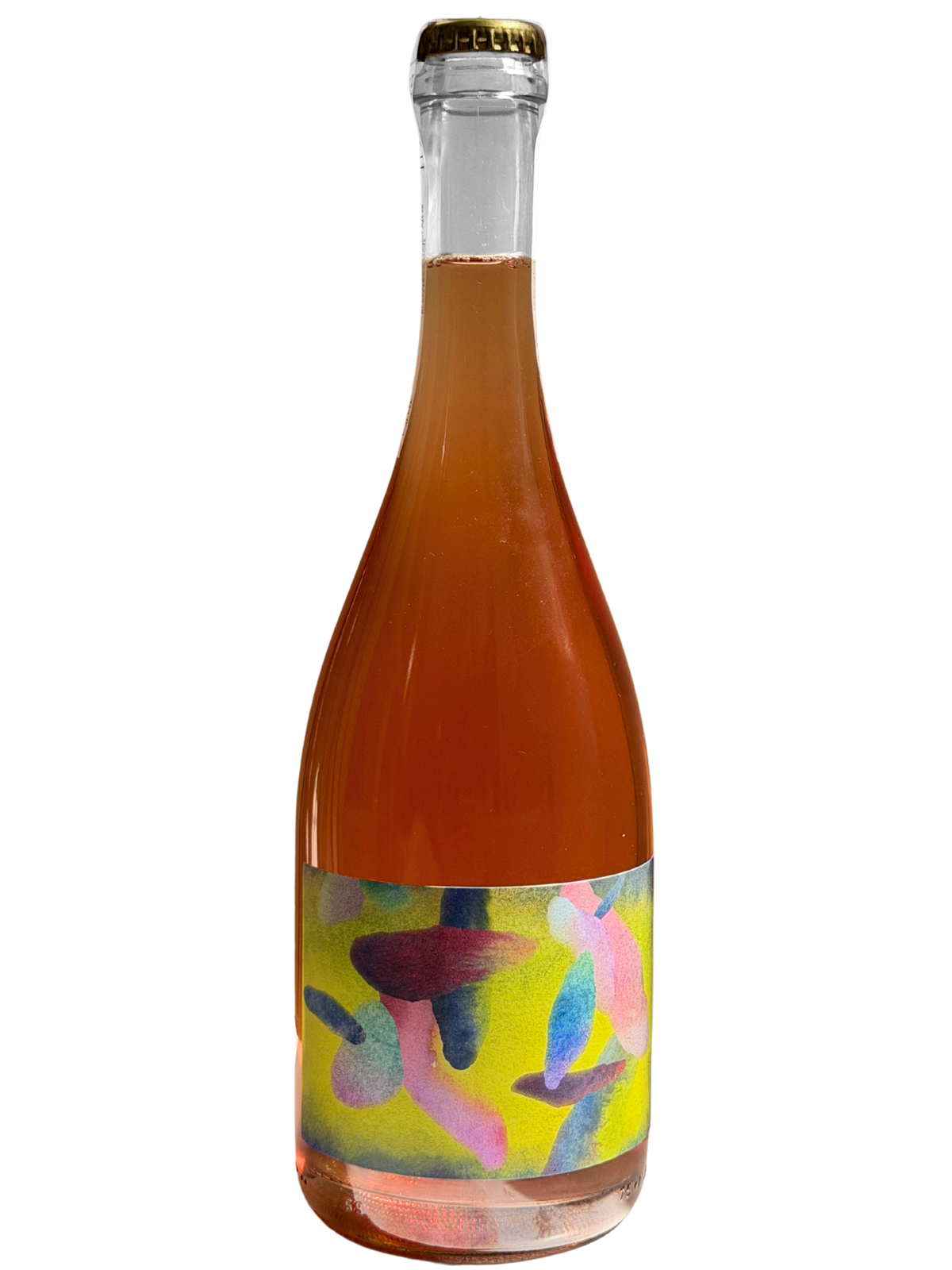
The first pet-nat for us and the first attempt at the broad-leaved Melnik variety. Spontaneous fermentation, 7 months on the lees, the same juice as our Gyurgya 2025 rosé.

€21,00Sold out
Gyurgya 2025
Rosé · 750ml · 12.5%

Gyurgya 2025

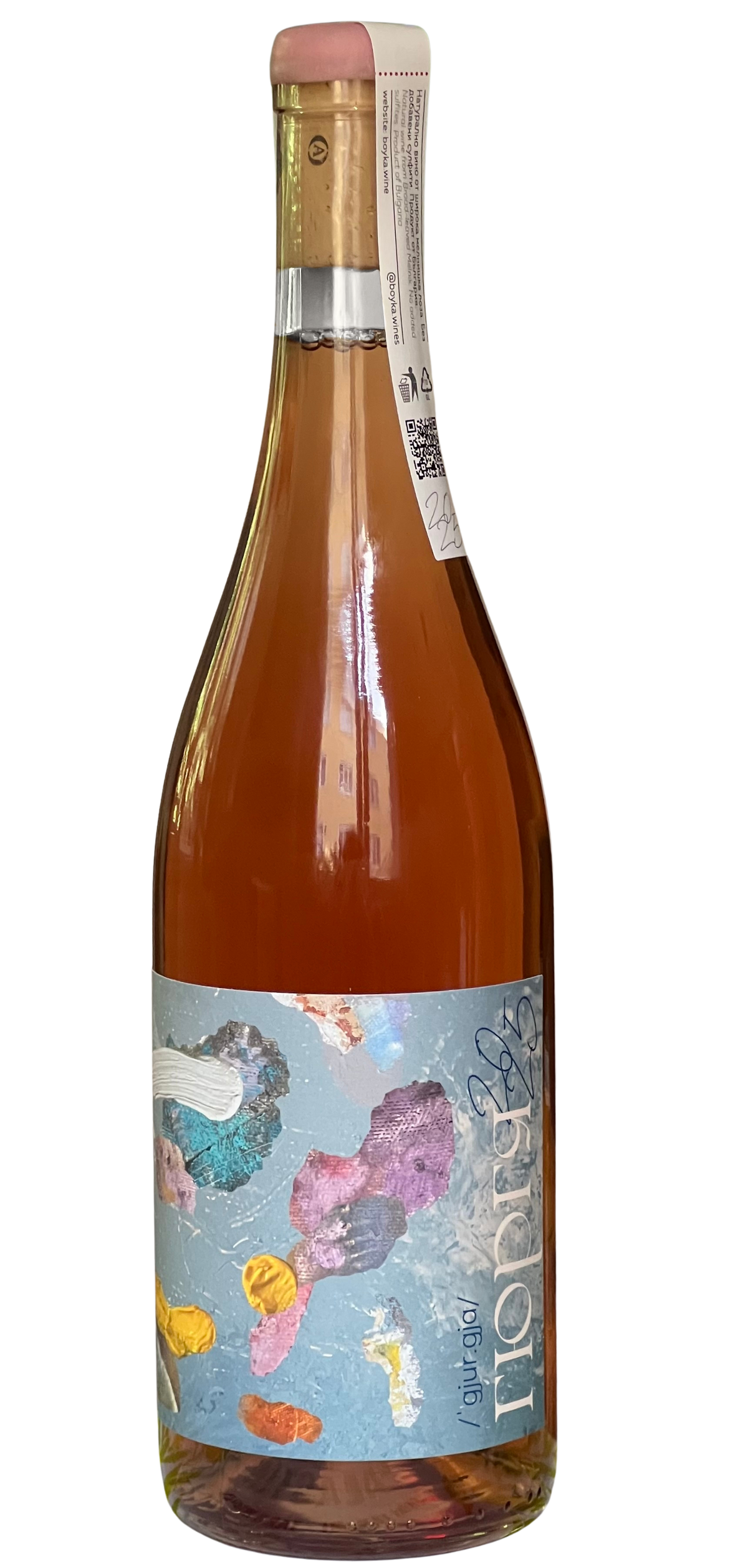
A dark rosé from the pride of the Struma Valley region – Broad-leaved Melnik

Coming soon
Boyka 2025
Red · 750ml · 13.9%

Boyka 2025

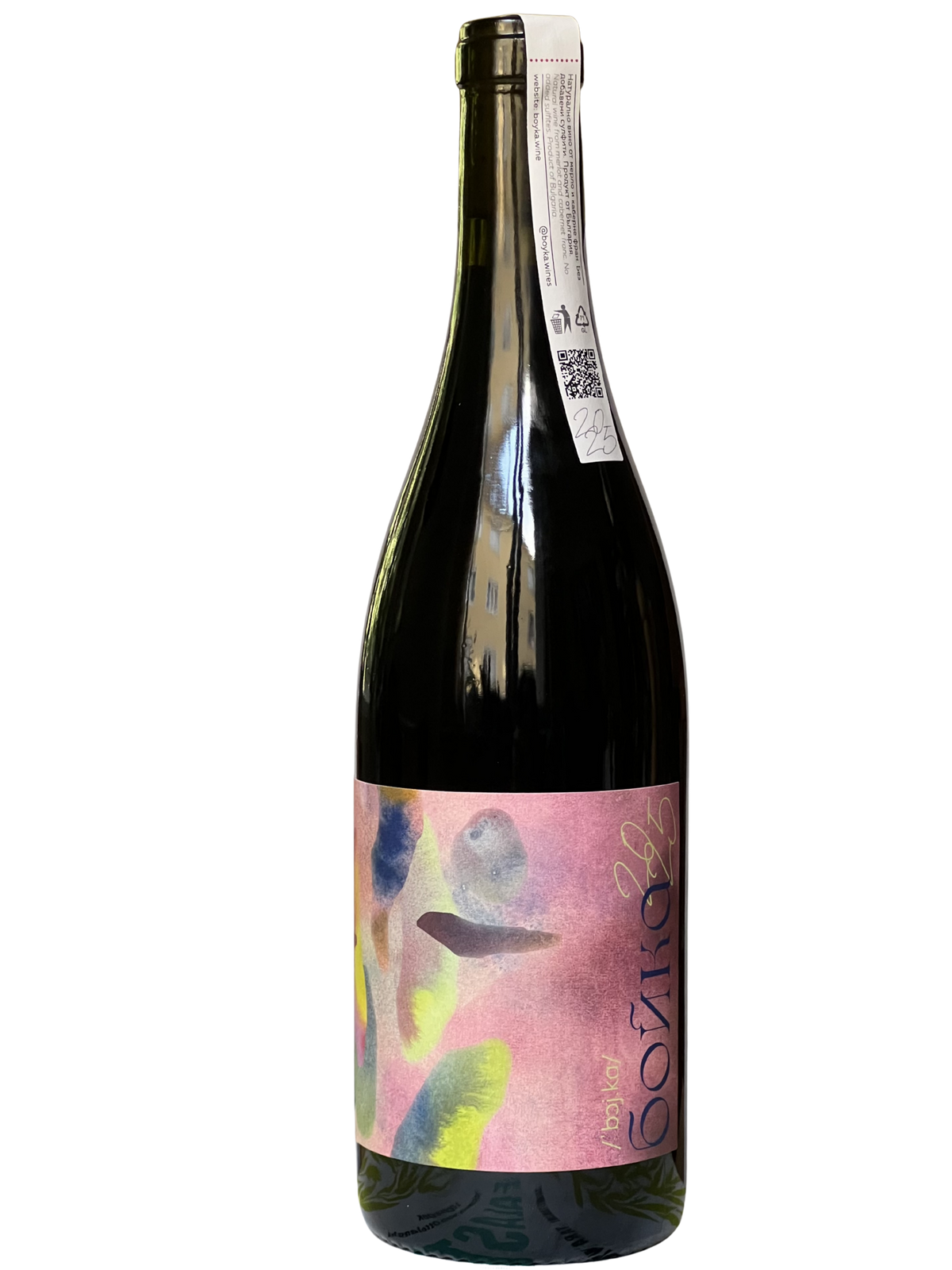
The succeeding vintage of our first wine. We aim again at an easy-going interpretation of the classic Bordeaux blend of Merlot and Cabernet Franc.

Coming soon

Find us